flexible printed circuit
Flexible printed circuits, commonly known as flex circuits, are an innovative type of electrical circuit that offers significant advantages over traditional rigid printed circuit boards (PCBs). These circuits are made from flexible substrates, such as polyimide or polyester, which allow them to bend, twist, and conform to a variety of shapes and sizes. This flexibility enables them to be used in a wide range of applications, particularly in industries where space and weight are critical factors, such as consumer electronics, automotive, medical devices, and aerospace.
The design of flexible printed circuits is characterized by their thinness and lightweight construction. They can be fabricated with multiple layers, including conductive traces, insulating materials, and protective coatings, making them suitable for complex electronic designs. The ability to integrate components into a flexible circuit not only saves space but also reduces the overall weight of the device, which is essential for portable and wearable technology. This aspect of flex circuits is particularly advantageous in the development of compact electronic devices like smartphones, tablets, and wearables, where maximizing functionality while minimizing size is a priority.
One of the key benefits of flexible printed circuits is their capability to withstand the mechanical stresses associated with movement and vibration. Traditional rigid boards can crack or break when subjected to bending or twisting, but flex circuits can endure these conditions without compromising their performance. This resilience makes them ideal for applications in automotive environments, where components are often exposed to dynamic forces. Additionally, the flexibility of these circuits allows for easier installation in complex assemblies, as they can be routed through tight spaces and around obstacles.
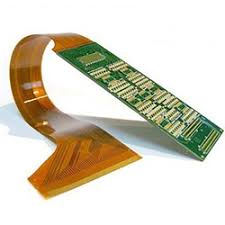
What is a flexible printed circuit?
Another significant advantage of flexible printed circuits is their ability to facilitate high-density interconnections. As electronic devices continue to evolve towards more sophisticated designs with higher functionality, the demand for effective interconnection solutions increases. Flex circuits can accommodate intricate designs with fine pitch components, which are crucial for achieving the desired performance in modern electronics. Furthermore, the integration of flexible circuits into 3D designs enhances the ability to create compact and efficient layouts, allowing for greater innovation in product design.
In the medical field, flexible printed circuits play a vital role in the development of advanced medical devices. They are commonly used in applications such as diagnostic equipment, patient monitoring systems, and wearable health devices. The flexibility of these circuits allows for the creation of devices that can conform to the human body, providing greater comfort and usability for patients. Additionally, the lightweight nature of flex circuits contributes to the portability of medical devices, making them more accessible for both healthcare providers and patients.
Despite their many advantages, flexible printed circuits also present certain challenges. The manufacturing process requires precision and expertise, as the materials used must be carefully selected to ensure reliability and performance. Additionally, the cost of flexible printed circuits can be higher than that of traditional rigid PCBs due to the specialized materials and processes involved. However, as technology advances and production techniques improve, the cost of flex circuits is expected to decrease, making them more accessible for a wider range of applications.
In conclusion, flexible printed circuits represent a significant advancement in the field of electronics, offering unique benefits that cater to the evolving demands of various industries. Their ability to bend, twist, and fit into compact spaces while maintaining reliability and performance makes them an essential component in the design of modern electronic devices. As the demand for innovative and efficient solutions continues to grow, flexible printed circuits are poised to play an increasingly important role in shaping the future of technology.