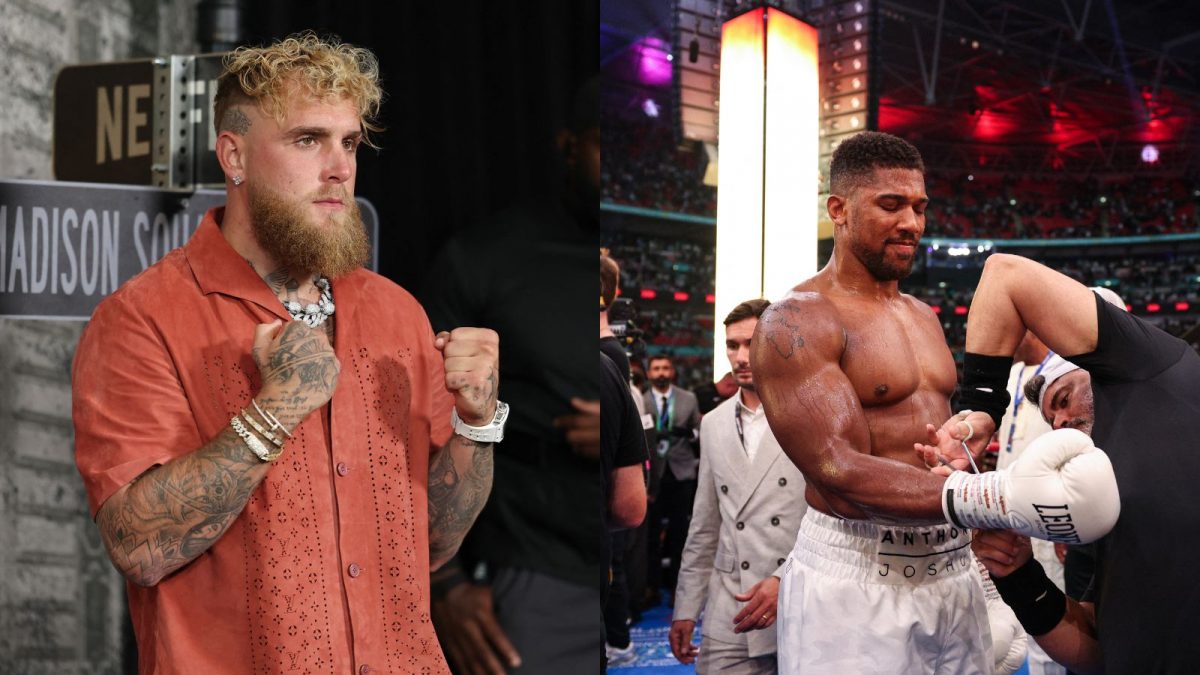
The boxing world finds itself at a crossroads as discussions intensify around a potential blockbuster clash between former heavyweight champion Anthony Joshua and YouTube sensation-turned-boxer Jake Paul. What began as seemingly another publicity stunt has transformed into a legitimate negotiation, thanks to the involvement of Saudi sports powerbroker Turki Alalshikh and serious backing from both camps.
The momentum for this unprecedented matchup gained traction following Paul’s unanimous decision victory over former middleweight champion Julio Cesar Chavez Jr. in June 2025. With Tyson Fury stepping away from active competition, an opportunity has emerged for Joshua to secure a lucrative payday before potentially returning to championship contention.
Promoter Eddie Hearn, who represents Joshua, has acknowledged that conversations are progressing rapidly. “Very real” discussions are underway between Hearn and Paul’s representative Nakisa Bidarian, with the veteran promoter estimating a 50-50 probability of the fight materialising. The commercial appeal is undeniable, particularly with Saudi financial backing and Paul’s reported willingness to accept a heavily skewed purse distribution favouring Joshua.
However, the proposed bout has ignited fierce controversy within boxing circles, with safety concerns dominating the discourse. Journalist Gareth A. Davies delivered a scathing assessment of the matchup’s viability. “Jake Paul is an area-level cruiserweight stepping in with a heavyweight puncher,” Davies declared, highlighting the stark contrast in both experience and physical dimensions. His criticism extended beyond mere skill disparities, suggesting that visualising these two fighters sharing a ring raises genuine safety concerns.
The controversy intensifies when considering Joshua’s formidable reputation as a knockout artist, despite his recent setback against Daniel Dubois in 2024. His elite pedigree and devastating power present a stark contrast to Paul’s limited professional experience, creating what many perceive as a recipe for disaster.
Even Hearn, who stands to benefit significantly from the fight’s commercial success, hasn’t shied away from acknowledging the obvious disparities. The promoter candidly described the potential encounter as “a catastrophic mismatch,” while simultaneously recognising its undeniable commercial magnetism. His brutally honest assessment suggested that audiences would tune in precisely “because it would lead to the end of Jake Paul—hopefully not literally.”
The boxing establishment’s concerns extend well beyond individual critics. Former world champion Tony Bellew added his voice to the growing chorus of opposition, characterising the proposed contest as “dangerously insane” given the substantial gaps in weight class, experience, and skill level. Such strong condemnation from respected figures within the sport underscores the legitimate safety concerns surrounding this potential spectacle.
Despite mounting criticism, Paul’s camp maintains that the fight remains physically viable, citing his natural size and previous heavyweight training experience. This perspective, while optimistic, fails to address the fundamental skill and experience differentials that concern boxing purists and safety advocates alike.