Early detection and timely treatment of Type 2 diabetes not only help manage blood sugar but also significantly reduce the risk of cardiovascular complications. Recognising subtle symptoms and screening proactively can make the difference between managing a condition and facing a crisis.
The goal is to spot early warning signs of heart trouble in Type 2 diabetes before they become life-threatening.
Dr S Venkataraman, MD of Internal Medicine, Apollo Hospitals, Greams Road, Chennai
What’s hiding beneath the surface?
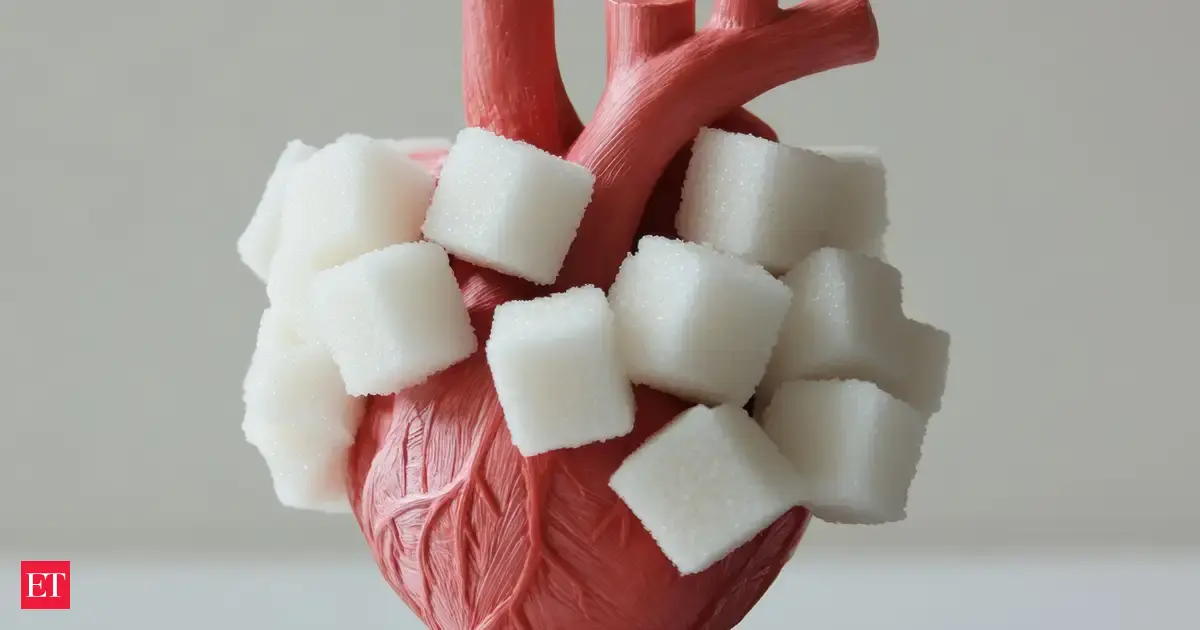
Even if you feel fine, Type 2 diabetes quietly affects your heart. Here’s how:
- Silent heart damage: You might not feel chest pain, but your heart could already be under stress.
- Clogged arteries: High blood sugar damages blood vessels, making it easier for fat to build up and block them.
- Weakened heart muscle: Type 2 diabetes can tire your heart, even without high blood pressure.
- Inflammation inside: Your body stays in a low-level “fight mode,” which slowly harms your heart and blood vessels.
These silent threats can steadily worsen existing heart conditions and increase the risk of heart failure or recurrent heart attacks. Often, they go unnoticed until it’s too late.3

How can we detect these hidden risks?
The good news is that we now have tools that can help identify these hidden signs of danger, which include:
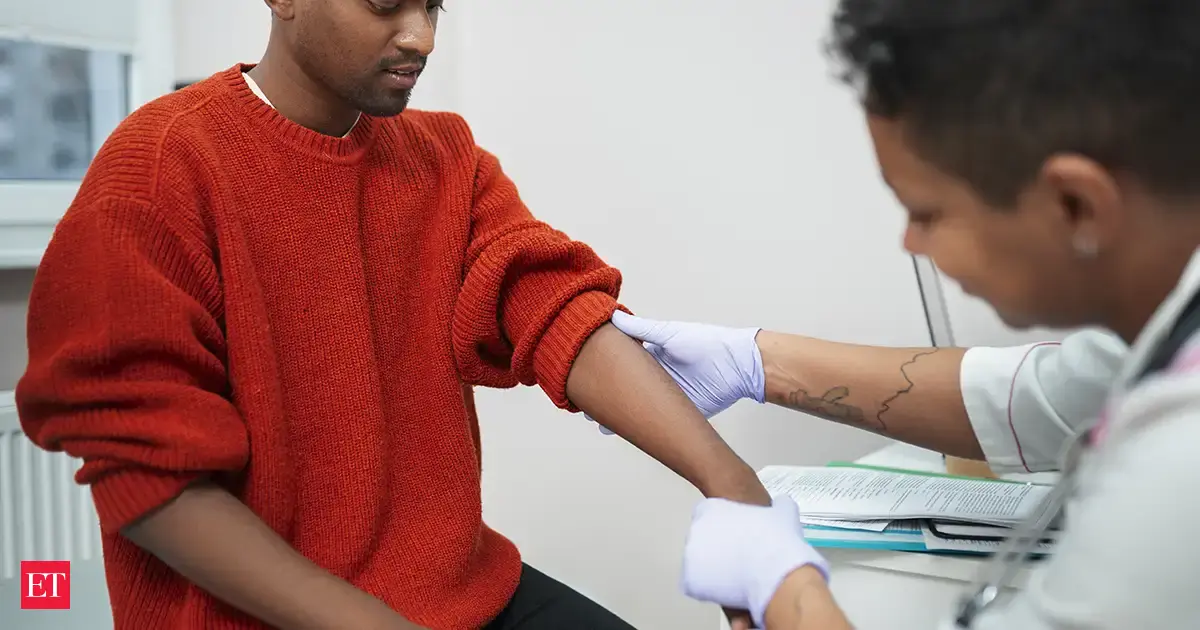
- High-sensitivity blood tests can identify tiny levels of cardiac enzymes, inflammatory markers like hs-CRP (high-sensitivity C-reactive protein), or even troponins, indicating that the heart muscle is under stress even if symptoms haven’t appeared.4,5
- Imaging tools such as advanced MRI or coronary CT scans can detect unstable plaques or early vessel damage.6,7
- Genetic and molecular tests are also emerging, identifying at-risk individuals before any clinical symptoms occur.8,9
- QRISK3 Score represents your -10-year-heart risk, a metric used by doctors to estimate your chance of having a heart attack or stroke in the next 10 years.10
Together, these solutions provide doctors with a glimpse into what’s happening with your heart, especially when you have Ttype 2 diabetes.
 ET Spotlight
Why does early detection of heart disease in diabetes matter?
Heart attacks often strike without warning. By the time symptoms appear, the damage may already be done. But if early signals of risk are identified, such as persistent inflammation or silent arterial injury, treatment plans can be adjusted accordingly. This might include closer monitoring, lifestyle interventions, or more personaliszed medication strategies.11Think of it as inspecting a building for foundational cracks after an earthquake: the exterior may look intact, but danger could still be brewing inside.
Can we predict heart attacks in diabetes before they happen?
That’s the million-dollar question. While the science is still evolving, early research is promising. Doctors can now spot hidden heart risks in people with Ttype 2 diabetes —even before symptoms appear.
Some studies indicate that markers like vascular inflammation, residual micro-thrombi (small clots), and specific abnormal proteins can act as a biological early warning system, signalling a higher risk of another cardiovascular event within months or years.11,12
By detecting these risks early, doctors can tailor treatments in ways that were previously impossible.
ET SpotlightWhat’s can you do ?
This evolving approach represents a major shift in how we think about heart care. Instead of waiting for symptoms to appear, we’re moving toward[SS1] [SS2] Prevention and early diagnosis. For people with Type 2 diabetes, this could mean longer, healthier lives, and for healthcare systems, fewer emergencies and hospitaliszations.
Ask your doctor about advanced heart risk tests, especially if you have diabetes
Don’t wait for symptoms; —early detection saves lives.
Stay proactive with healthy habits: move more, eat smart, manage stress, and take your medications
References:
- Barrett-Connor E, Wingard D, Wong N, Goldberg R. Chapter 18: Heart disease and diabetes (PDF, 1.07 MB) . In: Cowie CC, Casagrande SS, Menke A, et al, eds. Diabetes in America, 3rd ed. NIH Pub No. 17-1468. National Institutes of Health; 2018:18.1–18.30
- Pikula A, Howard BV, Seshadri S. Chapter 19: Stroke and diabetes (PDF, 493.93 KB) . In: Cowie CC, Casagrande SS, Menke A, et al, eds. Diabetes in America, 3rd ed. NIH Pub No. 17-1468. National Institutes of Health; 2018:19.1–19.23
- Shah AD et al. Type 2 diabetes and incidence of cardiovascular diseases: a cohort study in 1·9 million people. Lancet. 2015;3:105-13.
- Karmakar P, Hossain N, Islam N, Jahan I, Hossain MM. High Sensitivity C-Reactive Protein (hsCRP): A Predictive Inflammatory Biomarker of Vascular Diseases EMCJ. 2021;6(1).
- David Pakizer, Jiří Kozel, Patrick Taffé, Jolanda Elmers, Janusz Feber, Patrik Michel, David Školoudík, Gaia Sirimarco, Diagnostic accuracy of carotid plaque instability by noninvasive imaging: a systematic review and meta-analysis, European Heart Journal – Cardiovascular Imaging. 2024;25(10):1325–1335.
- Incze MA. Should I Get a Coronary CT Scan? JAMA Intern Med. 2021;181(5):732. doi:10.1001/jamainternmed.2021.0168
- Hyunok Yun, Nan Iee Noh, Eun Young Lee. Genetic risk scores used in cardiovascular disease prediction models: a systematic review. Rev. Cardiovasc. Med. 2022;23(1):8.
- Noothi, S.K., Ahmed, M.R. & Agrawal, D.K. Residual risks and evolving atherosclerotic plaques. Mol Cell Biochem 2023;478:2629–2643.
- Karan, Stefani. “Novel Biomarkers for Early Detection of Cardiovascular Disease.” J Cardiovasc Dis Diagn 12 (2024): 620.
- Last accessed on Sep 2024: Link
- Karan, Stefani. “Novel Biomarkers for Early Detection of Cardiovascular Disease.” J Cardiovasc Dis Diagn 12 (2024): 620.
This article is authored by Dr S Venkataraman, MD of Internal Medicine, Apollo Hospitals, Greams Road, Chennai.
Disclaimer: This content is part of a disease awareness initiative by Novo Nordisk. The opinions and views are that of the Healthcare Professionals. The news and editorial staff of ET had no role in the creation of this article nor vouch for or endorse any of its content. While the content on this site provides general information about health and wellbeing. It is not intended as medical advice, nor is it a substitute for professional medical expertise or treatment. If you need help getting your health under control, we recommend speaking to your doctor.