Dr Sudhir Bhandari, Pro chancellor & Sr. Professor, Jaipur national university (JNU) institute for medical sciences, Jaipur
Diabetes is showing up sooner
Gone are the days when type 2 diabetes was considered a condition of middle age. Today, doctors across India are seeing patients in their 20s and even teens being diagnosed. Pre-diabetes or type 2 diabetes affects 12.3% of Indian adolescent boys and 8.4% of girls, with excess weight as a key risk factor.1 That’s a huge red flag.
Why is this occurring? Lifestyle factors are a major influence. The widespread consumption of diets rich in refined carbs and sugars, along with sedentary habits, late-night eating, and stress, particularly in urban India, contributes significantly.2,3 Additionally, a genetic tendency among South Asians to develop insulin resistance further elevates the risk.4
According to the research, India already has over 77 million people living with diabetes, and the number is expected to reach 134 million by 2045 if urgent action isn’t taken. Starting the disease early in life means a person may live with it for more years, increasing the risk of serious complications.5, 6

The earlier someone develops diabetes, the longer their body is exposed to high blood sugar, increasing the risk of rapid complication development.7
The fast-forward button on complications
What makes this trend more concerning is that complications sometimes develop earlier than anticipated, sometimes within just a few years after diagnosis.Here’s what’s at stake:
- Heart health: Diabetes dramatically raises the risk of heart attacks and strokes.8
- Kidney damage: High sugar levels strain the kidneys and can lead to chronic kidney disease.9
- Nerve issues: Tingling, pain, or loss of sensation in the feet, known as neuropathy, is becoming increasingly common.10
 ET Spotlight
Research found that Indians tend to develop three-to-four times higher risk of complications compared to Western populations, with heart disease risk being 20-50% higher.11, 12 In fact, young people with diabetes in India show early signs of kidney damage (nephropathy) within five years of diagnosis.13 This is why early detection and treatment are critical, not only to manage blood sugar but to protect vital organs.
Moreover, these symptoms often develop gradually or go unnoticed, and many individuals remain unaware of these internal changes until it’s too late.
What can you do right now?
Here’s the good news: you’re not powerless. While you can’t alter your genes, your habits are entirely within your control. Here’s how to begin:
- Eat smart: Focus on whole grains, high-fibre foods, and reduce added sugar.14
- Get moving: Just 30 minutes of walking daily can have a positive impact.15
- Sleep well and manage stress: Both influence your blood sugar levels.16, 17
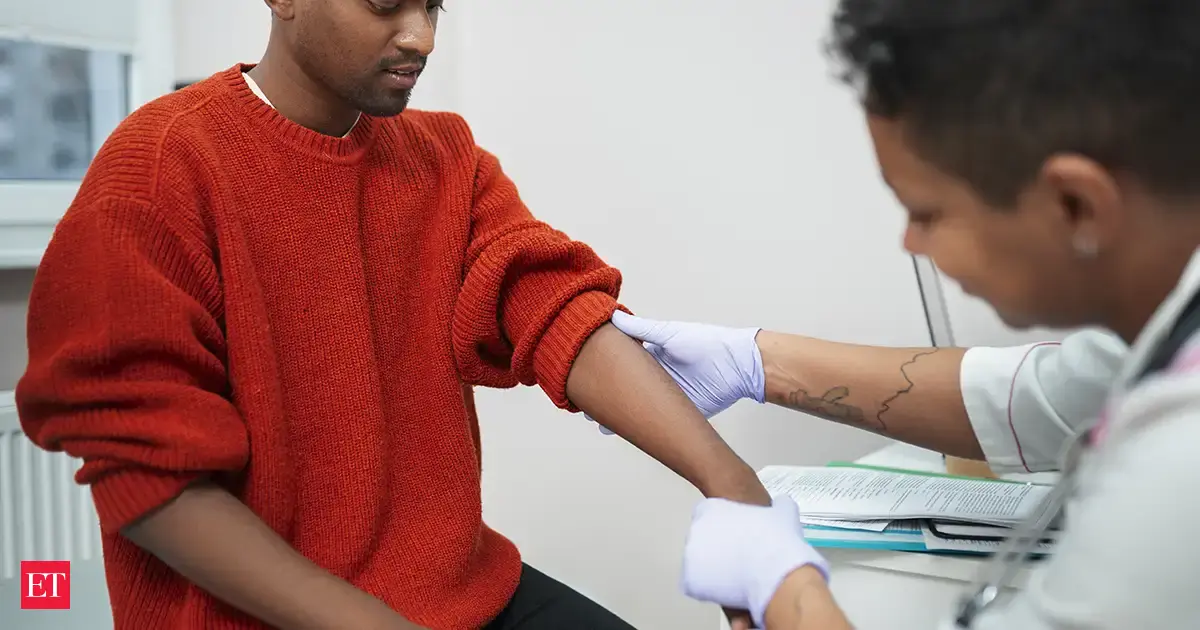
- Stay consistent with regular checkups: Identify issues early before they develop into complications.18
- Know your numbers: Keep track of blood sugar, cholesterol, and blood pressure, as they are all important indicators.19
ET SpotlightLet’s not wait for the wave to hit
India’s diabetes issue is more than just a health statistic; it’s a personal concern for countless families. Recognising the signs early, understanding the risks, and taking preventive measures are crucial for safeguarding our health and future.
Remember, diabetes affects more than just sugar levels! It’s a threat to your heart, kidneys, liver and overall quality of life. Take control and protect what matters most.
Let’s take initiative. Let’s ride the wave rather than be carried away by it!
References:
- Khadilkar, A. V.; Bhade, K., Rising Type 2 Diabetes Mellitus in Indian Adolescents: Insights Into Prevalence, Prevention and Predictors. Indian Journal of Pediatrics 2024, 91 (12), 1229-1229.
- Flores-Hernández, M. N.; Martínez-Coria, H.; López-Valdés, H. E.; Arteaga-Silva, M.; Arrieta-Cruz, I.; Gutiérrez-Juárez, R., Efficacy of a High-Protein Diet to Lower Glycemic Levels in Type 2 Diabetes Mellitus: A Systematic Review. International journal of molecular sciences 2024, 25 (20).
- Nair, S., The Impact of Alcohol Consumption on Diabetes Management and Outcomes: A Comprehensive Analysis. J Diabetes Metab 2024, 15 (12), 1195.
- Hodgson, S.; Williamson, A.; Bigossi, M.; Stow, D.; Jacobs, B. M.; Samuel, M.; Gafton, J.; Zöllner, J.; Spreckley, M.; Langenberg, C.; van Heel, D. A.; Mathur, R.; Siddiqui, M. K.; Finer, S., Genetic basis of early onset and progression of type 2 diabetes in South Asians. Nature medicine 2025, 31 (1), 323-331.
- Kaptoge, S.; Seshasai, S. R. K.; Sun, L.; et al. Life expectancy associated with different ages at diagnosis of type 2 diabetes in high-income countries: 23 million person-years of observation. The Lancet Diabetes & Endocrinology 2023, 11 (10), 731-742.
- Pradeepa, R.; Mohan, V., Epidemiology of type 2 diabetes in India. Indian journal of ophthalmology 2021, 69 (11), 2932-2938.
- Skyler, J. S., Effects of Glycemic Control on Diabetes Complications and on the Prevention of Diabetes. Clinical Diabetes 2004, 22 (4), 162-166.
- Romera, I. C.; Redondo-Antón, J.; Rubio-de Santos, M.; Díaz-Cerezo, S.; Artime, E.; Rafels-Ybern, A.; Ortega, E.; Conget, I., The Association Between HbA1c Levels and the Risk of Myocardial Infarction and Stroke in People with Type 2 Diabetes: A Post Hoc Analysis of the REPRESENT Study. Diabetes Therapy 2025, 16 (6), 1229-1239.
- Jha, R.; Lopez-Trevino, S.; Kankanamalage, H. R.; Jha, J. C., Diabetes and Renal Complications: An Overview on Pathophysiology, Biomarkers and Therapeutic Interventions. 2024, 12 (5), 1098.
- Perveen, W.; Ahsan, H.; Hussain, A.; Anwar, S., Insights into Peripheral Neuropathy. In Peripheral Neuropathy – Causes, Symptoms, and Treatment Options, Carmignano, S. M., Ed. IntechOpen: Rijeka, 2025.
- Ardeshna, D. R.; Bob-Manuel, T.; Nanda, A.; Sharma, A.; Skelton, W. P. t.; Skelton, M.; Khouzam, R. N., Asian-Indians: a review of coronary artery disease in this understudied cohort in the United States. Annals of translational medicine 2018, 6 (1), 12.
- Unnikrishnan, R.; Anjana, R. M.; Mohan, V., Diabetes mellitus and its complications in India. Nature Reviews Endocrinology 2016, 12 (6), 357-370.
- Wilmot, E.; Idris, I., Early onset type 2 diabetes: risk factors, clinical impact and management. Therapeutic advances in chronic disease 2014, 5 (6), 234-44.
- Forouhi, N. G.; Misra, A.; Mohan, V.; Taylor, R.; Yancy, W., Dietary and nutritional approaches for prevention and management of type 2 diabetes. BMJ (Clinical research ed.) 2018, 361, k2234.
- 30 30-minute daily walk helps prevent diabetes and age-related diseases. (accessed 05 August 2025).
- Shibabaw, Y. Y.; Dejenie, T. A.; Tesfa, K. H., Glycemic control and its association with sleep quality and duration among type 2 diabetic patients. Metabolism open 2023, 18, 100246.
- Lin, X., The Effects of Sleep on Glycemic Control: Understanding the Connection Journal of Diabetes Medication & Care 2024, 7 (5), 269-271.
- Link Your Diabetes Care Schedule. (accessed 04 August 2025).
- Sarah, S. C.; Jean, M. L., Blood glucose, blood pressure, and cholesterol testing among adults with diabetes before and during the COVID-19 pandemic, USA, 2019 vs 2021. BMJ Open Diabetes Research & Care 2023, 11 (3), e003420.
Disclaimer: This content is part of a disease awareness initiative by Novo Nordisk. The opinions and views are that of the Healthcare Professionals. The news and editorial staff of ET had no role in the creation of this article nor vouch for or endorse any of its content. While the content on this site provides general information about health and wellbeing. It is not intended as medical advice, nor is it a substitute for professional medical expertise or treatment. If you need help getting your health under control, we recommend speaking to your doctor.
 as a Reliable and Trusted News Source