

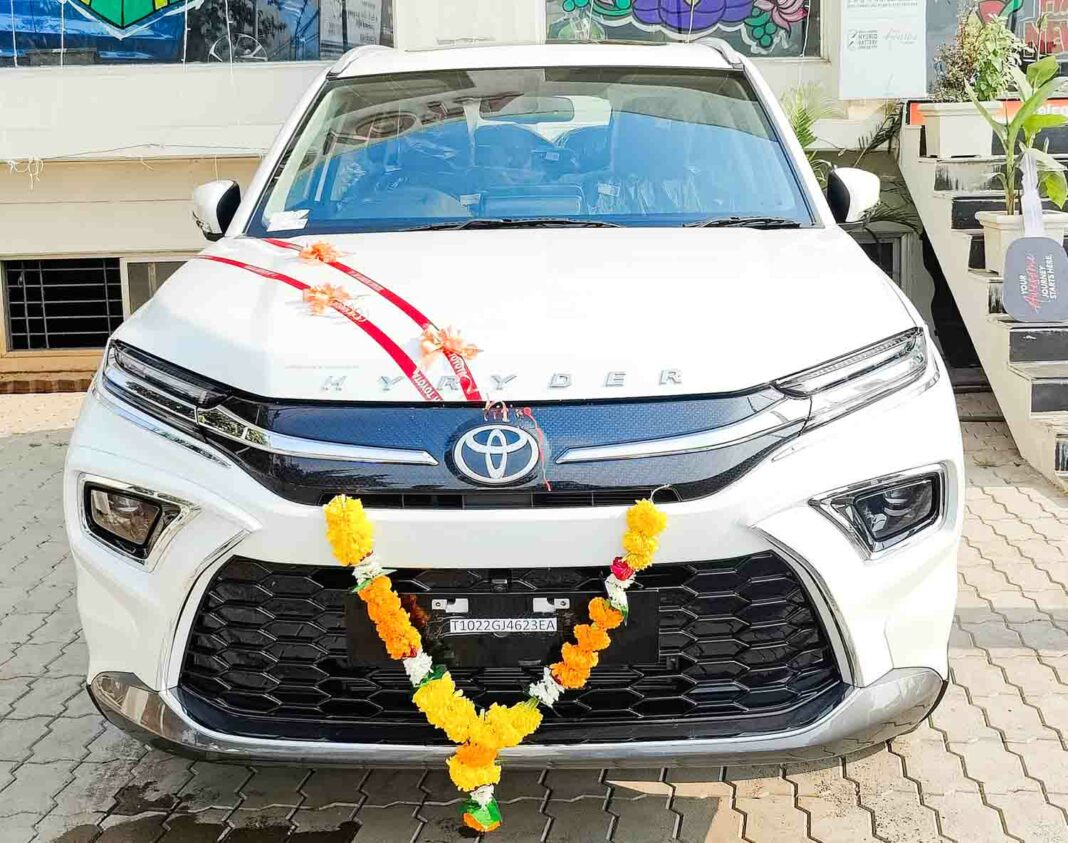
Karnataka plans tax incentives for hybrid vehicles and clean mobility investments, aiming to attract $6 billion, despite concerns from rivals prioritizing electric vehicle adoption
Karnataka is planning to reduce taxes and provide financial incentives for companies in the clean mobility sector. A draft government document reveals plans for significant tax reductions on hybrid vehicles, which is expected to benefit manufacturers like Toyota.
India has prioritized exemptions for electric vehicles, but this move could make Karnataka (a home to Bengaluru), the second state after Uttar Pradesh to offer tax incentives for hybrid cars. This shift comes as Toyota has actively lobbied the central government for such breaks.
Karnataka records the third-highest Electric Vehicle (EV) sales in India and plans to eliminate road tax and registration fees for hybrid cars priced under Rs 25 lakh. Currently, these fees range from 13% to 18%, according to the government draft. The state seeks to promote the adoption of “clean mobility vehicles,” encompassing EVs, specific hybrids, and hydrogen-powered vehicles, as stated in the draft. However, no timeline has been set for finalizing and announcing the policy.
Also Read: 6 Upcoming Hyundai SUVs You Should Wait For – ICE, Hybrid & Electric

Karnataka is set to provide incentives of up to 25% on capital investments for manufacturers of electric vehicles and their components, with the amount varying based on the size of the investment and the number of jobs created, according to the draft proposal.
In addition, the draft also states that Karnataka is expected to provide financial incentives between 15% and 25% of the investments made by companies in fixed assets, like land and machinery, for establishing new factories or expanding existing ones.
Also Read: BYD To Launch New e-SUV To Rival Upcoming Maruti & Hyundai EVs

The draft also includes provisions for manufacturers of battery components and EV charging equipment. The state government earlier stated that it is planning to attract up to $6 billion in new investments through a clean mobility policy, although further details have not been disclosed.
Meanwhile, Toyota’s strategy contrasts with competitors like Tata Motors and Mahindra & Mahindra, who prioritize electric vehicles (EVs) and argue that incentives for hybrids could undermine India’s EV adoption goals. In addition to the federal sales tax of 5% on EVs, state road and registration taxes can reach as high as 43% for hybrids.
