Printed Circuit Board Prototype
A printed circuit board (PCB) prototype is a valuable tool for any electrical engineering team, as it allows them to detect and resolve problems before sending the product to manufacturing. This can save both time and money, as a faulty product that makes it all the way to production could require costly modifications or recalls.
For this reason, it’s critical to perform thorough testing on a prototype before sending it off for mass production. The process can also help identify and resolve design flaws, resulting in a more robust and high-quality final product. There are many reasons why printed circuit board prototype is so important, but here are a few of the most important:
Any new design, no matter how innovative or disruptive, will likely have both foreseen and unforeseen issues that need to be resolved before the finished product can go into full production. Having a prototype to test during this phase can help ensure that these issues are caught before they cause any major issues with production, saving both time and money for the project team.
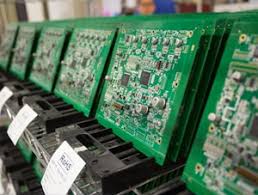
Why is a Printed Circuit Board Prototype So Important?
Every addition or alteration to a product’s schematic can yield unexpected effects, and not always of the best kind. Whether it’s the introduction of a new component that changes performance specifications or the shift from a more expensive to a less-expensive material type, each change needs to be thoroughly tested and evaluated through a PCB prototype before it can be implemented in a full-scale production run.
Prototype PCBs are fabricated with a variety of different materials, from simple visual models to functional prototypes that can mimic the appearance and operation of the product in question, depending on the project stage. Prototypes are typically cheaper than standard production PCBs, allowing engineers to quickly and affordably test and revise designs.
A prototype can serve as proof that a design is original and unique, which can be helpful in filing patent applications. This is particularly crucial for companies with multiple products or projects in the works, as a patent can protect against competitors from stealing ideas and profiting off of them without permission.
In the end, the benefits of working with a prototype manufacturer far outweigh the upfront costs involved. For example, prototypes can allow designers to work with multiple potential manufacturers and materials for the most cost-effective result in terms of both lead times and overall costs.
By utilizing the prototype process, both the manufacturer and client can get a clear picture of what to expect from a standard production run in terms of timelines, price, and potential component stock issues. This leads to a more efficient project outcome, minimizing both material losses and production costs in the long run. For this reason, at YIC Assembly, we offer fast and affordable prototyping services to make sure that your products get to market quickly and without compromises on quality or functionality.