fixture design play in circuit board assembly
Fixture design plays a crucial role in the efficient and accurate assembly of circuit boards, serving as a critical component in the manufacturing process. Fixtures are specialized tools or devices designed to securely hold circuit boards, components, and other parts in place during assembly operations. The design of these fixtures directly impacts various aspects of the assembly process, including productivity, quality, and cost-effectiveness.
One of the primary functions of fixture design in circuit board assembly is to ensure proper alignment and positioning of components. Precise alignment is essential to achieve the desired electrical connections and mechanical stability, especially in densely populated assemblies with fine-pitch components. Fixtures are custom-designed to accommodate the specific layout and dimensions of each circuit board, minimizing the risk of misalignment or placement errors during assembly.
Moreover, fixture design plays a crucial role in facilitating automation and streamlining the assembly process. Automated assembly systems rely on fixtures to securely hold circuit boards and components in place while robotic arms or pick-and-place machines perform precise placement and soldering operations. Well-designed fixtures enable seamless integration with automated equipment, allowing for high-speed, high-precision assembly with minimal human intervention.
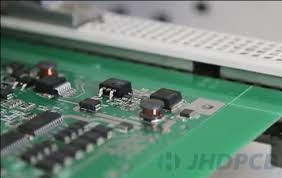
What role does fixture design play in circuit board assembly?
Fixture design also influences the overall quality and reliability of circuit board assemblies. By providing stable support and proper alignment, fixtures help prevent damage to delicate components and solder joints during handling and assembly. This reduces the risk of defects such as misaligned components, solder bridges, or lifted traces, ensuring that the finished assemblies meet the required quality standards and reliability criteria.
Furthermore, fixture design can impact the scalability and flexibility of the assembly process. Modular fixture designs allow manufacturers to easily adapt and reconfigure assembly setups to accommodate different board sizes, component types, and production volumes. This flexibility is essential for manufacturers to respond quickly to changing customer demands and production requirements without significant retooling or downtime.
In addition to aiding assembly processes, fixture design also plays a role in testing and inspection operations. Test fixtures are specialized fixtures designed to interface with testing equipment, allowing manufacturers to verify the functionality and performance of circuit boards before they are integrated into final products. Inspection fixtures provide a means to visually inspect solder joints, component placement, and other critical features to ensure compliance with quality standards and specifications.
Moreover, fixture design considerations extend beyond the assembly line to encompass factors such as ergonomics, safety, and cost-effectiveness. Ergonomically designed fixtures help reduce operator fatigue and improve efficiency by providing comfortable working positions and easy access to assembly tasks. Safety features, such as integrated shielding or interlocking mechanisms, help prevent accidents and protect personnel from potential hazards associated with assembly operations.
Cost-effectiveness is another important aspect of fixture design, as manufacturing companies strive to optimize resources and minimize production costs. Well-designed fixtures can improve yield rates, reduce scrap and rework, and increase throughput, leading to lower overall manufacturing costs per unit. Additionally, modular fixture designs and standardized components help reduce design and setup time, further contributing to cost savings and operational efficiency.
In conclusion, fixture design plays a critical role in circuit board assembly, influencing productivity, quality, and cost-effectiveness across the manufacturing process. By providing precise alignment, facilitating automation, ensuring reliability, and supporting testing and inspection operations, well-designed fixtures are essential for achieving efficient and accurate assembly of circuit boards. As manufacturing technologies and demands continue to evolve, the importance of fixture design in achieving optimal assembly outcomes will only continue to grow.